The Kitchen Emergency Solved: Why Homemade Baking Powder is Your Secret Weapon
Picture this: You're halfway through mixing a batch of your favorite cookies, the aroma of vanilla already tantalizing, when you realize your baking powder container is either empty, or worse, so old it might as well be an antique. Don't let a missing ingredient derail your baking plans! Many home bakers face this dilemma, but there's a surprisingly simple and effective solution: learning
how to make baking powder right in your own kitchen using common pantry staples. This isn't just a clever substitute; it's a way to ensure you *never run out* and always have fresh, potent leavening at your fingertips.
Baking powder is a cornerstone of countless recipes, from fluffy pancakes and tender muffins to delicate scones and airy cakes. It's the unsung hero responsible for that coveted "lift" and light texture in quick breads and other baked goods, all thanks to its ability to release carbon dioxide gas. In this comprehensive guide, we'll demystify baking powder, explain its crucial role, and show you exactly how to whip up your own batch in minutes.
Understanding the Magic: Baking Soda vs. Baking Powder Explained
To truly appreciate baking powder, it's essential to understand its relationship with another ubiquitous baking ingredient: baking soda. While often confused, these two leavening agents operate differently, though both produce carbon dioxide gas that creates bubbles and causes doughs and batters to rise.
* **Baking Soda (Sodium Bicarbonate):** This is a pure alkali (base). For it to create carbon dioxide gas and leaven your baked goods, it needs an acidic ingredient to react with. Recipes calling for baking soda typically include acidic components like buttermilk, yogurt, lemon juice, vinegar, or brown sugar. The reaction happens immediately upon contact with the acid and liquid, so batters using only baking soda need to be baked quickly before the gas escapes.
* **Baking Powder:** Think of baking powder as baking soda's more self-sufficient cousin. It's essentially a pre-mixed combination of baking soda, one or more powdered acids (like cream of tartar), and a starch (usually cornstarch). The starch serves two vital roles: it absorbs moisture to prevent premature reaction, and it keeps the ingredients from clumping. When liquid is added to baking powder, the acid and base react, releasing carbon dioxide.
Most commercial baking powders are "double-acting," meaning they have two stages of leavening: an initial release of gas when wet, and a second, more powerful release when exposed to heat in the oven. Homemade baking powder, however, acts more like a "single-acting" powder, producing most of its gas when mixed with liquid. This generally isn't an issue for home baking; it just means you should get your batter into the oven fairly promptly after mixing.
Is Your Store-Bought Baking Powder Still Good?
Commercial baking powder does have a shelf life, typically nine to twelve months after opening, as it can gradually lose potency due to exposure to moisture and air. If you're unsure whether your store-bought powder is still active, here's a quick test:
1. Add a teaspoon of baking powder to a small bowl.
2. Pour about ¼ cup of warm water over it.
3. If it fizzes vigorously, it's still good. If you see only a few weak bubbles or none at all, it's time to make your own!
Beyond Convenience: The Perks of Making Your Own Baking Powder
While the immediate benefit of learning
how to make baking powder is never being caught off guard, there are several compelling reasons to embrace the homemade version:
* **Guaranteed Freshness and Potency:** When you mix your own baking powder, you know exactly how fresh it is. This eliminates guesswork and ensures maximum leavening power, leading to consistently better baking results. There’s no more wondering if your muffins fell flat because of old ingredients!
* **Aluminum-Free Option:** Many commercial baking powders contain sodium aluminum sulfate, which is one of the powdered acids that provides the "double-acting" leavening. While generally considered safe for consumption, some people prefer to avoid aluminum due to personal dietary choices or concerns about a perceived metallic aftertaste it can impart to baked goods. When you make your own with cream of tartar, you're creating an entirely
Make Aluminum-Free Baking Powder: Simple DIY Recipe Explained, giving you complete control over your ingredients.
* **Cost-Effectiveness:** Baking soda, cream of tartar, and cornstarch are all relatively inexpensive ingredients that have a long shelf life on their own. Buying them separately and making your own baking powder as needed can be more economical in the long run than repeatedly purchasing commercial blends, especially if you don't bake frequently and small quantities go to waste.
* **Pantry Staple Reliance:** You likely already have these three basic ingredients in your pantry. By mastering this simple recipe, you unlock the ability to create another essential ingredient on demand, simplifying your baking and reducing trips to the store.
How to Make Baking Powder at Home: Your Simple 3-Ingredient Recipe
Making your own baking powder is incredibly straightforward and requires just three common ingredients, each playing a specific role in the leavening process.
Here's What You'll Need:
- Baking Soda (Sodium Bicarbonate): This is the alkaline component, the base that reacts to create gas.
- Cream of Tartar (Potassium Bitartrate): This is the acidic component, providing the necessary acidity to react with the baking soda. It's a natural byproduct of winemaking.
- Cornstarch: This acts as a buffer, absorbing moisture to prevent the acid and base from reacting prematurely. It also helps prevent clumping, ensuring a smooth, consistent powder.
The Perfect Ratio and Instructions:
The standard ratio for homemade baking powder is 2 parts cream of tartar, 1 part baking soda, and 1 part cornstarch. This ratio ensures a balanced reaction and optimal leavening.
For a Single Batch (Approx. 1 tablespoon homemade baking powder):
- Combine 2 teaspoons of cream of tartar.
- Add 1 teaspoon of baking soda.
- Add 1 teaspoon of cornstarch.
- Whisk thoroughly until all ingredients are completely combined and there are no lumps.
For a Larger Batch (to store for later use):
- Measure ½ cup of cream of tartar.
- Measure ¼ cup of baking soda.
- Measure ¼ cup of cornstarch.
- Place all ingredients into a bowl.
- Using a whisk, vigorously stir the mixture for at least 1-2 minutes, ensuring everything is perfectly uniform and lump-free. For best results, you can also sift the mixture through a fine-mesh sieve several times to ensure thorough incorporation and remove any tiny clumps.
That's it! You've just learned
How to Make Baking Powder: Your 3-Ingredient Homemade Guide.
Tips for Optimal Use and Storage of Homemade Baking Powder
While homemade baking powder is a fantastic solution, understanding its nuances will help you achieve the best results in your baking.
* **Substitution Ratio:** Generally, you can substitute homemade baking powder for commercial double-acting baking powder in recipes on a 1:1 basis. So, if a recipe calls for 1 teaspoon of baking powder, use 1 teaspoon of your homemade mix.
* **Use Promptly (Especially Without Cornstarch):** If you're mixing a single batch for immediate use and omit the cornstarch (which is fine for immediate application), incorporate it into your dry ingredients just before adding wet ingredients, and bake quickly. The cornstarch is crucial for stability if you plan to store it.
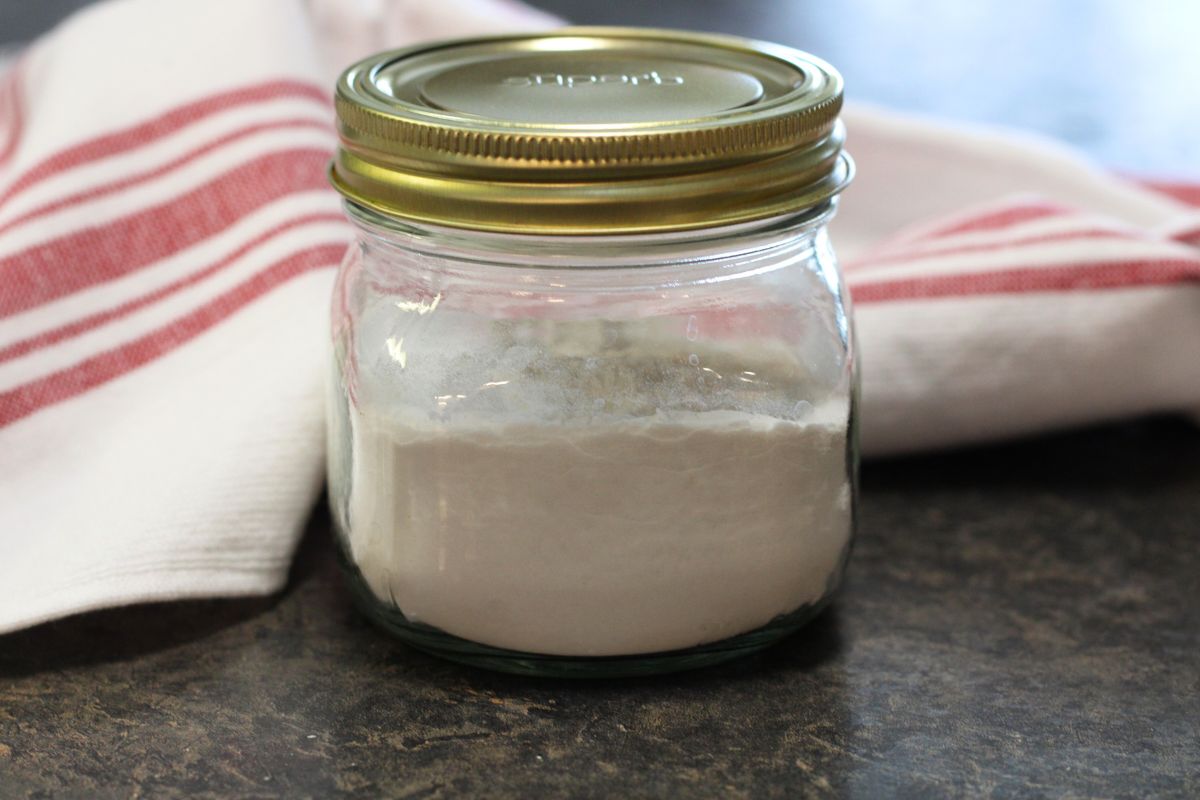
* **Storage for Batches with Cornstarch:** For larger batches made with cornstarch, store your homemade baking powder in an airtight container in a cool, dark place, such as your pantry. Mason jars or other sealed containers work perfectly. This prevents moisture from entering and causing a premature reaction or clumping.
* **Shelf Life of Homemade Batches:** Even with cornstarch, homemade baking powder has a shorter shelf life than unopened commercial versions. Aim to use batches within 1 to 3 months for optimal potency. The absence of additional chemical stabilizers means it's more susceptible to degradation over time. You can perform the warm water test periodically to check its freshness.
Embracing the simplicity of making your own baking powder opens up a world of baking possibilities, freeing you from the tyranny of an empty container and ensuring your creations always rise to the occasion.
Conclusion
Never again let the absence of baking powder halt your culinary adventures. Learning
how to make baking powder is a powerful skill that not only saves the day in a pinch but also empowers you to bake with fresh, aluminum-free ingredients. With just three simple components – baking soda, cream of tartar, and cornstarch – you can create a reliable leavening agent that promises fluffy, perfectly risen baked goods every time. So, stock your pantry with these essentials, whisk them together with confidence, and enjoy the satisfaction of truly homemade baking. Happy baking!